
Powering Trust: Sustainability, Certifications and Energy Responsibility in Financial Automation
- Rototype's Media Center

- Apr 24
- 3 min read
In today’s rapidly evolving financial landscape, automation is no longer just about efficiency—it is about trust, resilience, and responsibility. Companies operating in the banking and financial automation sector are expected to deliver not only high-performance technologies, but also transparent, sustainable, and future-proof operations.
At Rototype, this vision is embedded in the very foundation of its business model: combining advanced automation solutions—from cheque processing systems to ATM technologies—with a robust commitment to ESG principles, stakeholder engagement, and responsible energy management.
Beyond Automation: A Responsibility Towards Stakeholders
Operating in a global ecosystem that includes financial institutions, public organizations, and international partners, Rototype recognizes that its impact extends far beyond technology delivery.
Its ESG framework reflects a clear commitment to:
Environmental stewardship
Social responsibility
Ethical governance
This approach is not declarative—it is operational. The company actively measures, monitors, and reports its sustainability performance, ensuring accountability and continuous improvement across all activities.
Stakeholders—including clients, employees, suppliers, and communities—are not passive recipients but active participants in a shared journey toward long-term value creation. Transparency, collaboration, and ethical conduct are therefore not optional—they are strategic imperatives.
Certifications as a Guarantee of Excellence and Accountability
In highly regulated sectors such as banking and financial services, certifications are not just compliance tools—they are signals of reliability and global credibility.
Rototype’s adherence to internationally recognized standards such as:
ISO 9001:2015 (Quality Management)
ISO 14001:2015 (Environmental Management)
demonstrates a structured and measurable approach to both operational excellence and environmental responsibility.
These certifications ensure that:
Processes are optimized and continuously improved
Environmental impacts are systematically reduced
Customers benefit from consistent, high-quality performance
In an international context, this alignment with global standards becomes a competitive differentiator, enabling seamless collaboration with partners and clients across different markets and regulatory frameworks.
Energy Responsibility as a Strategic Asset
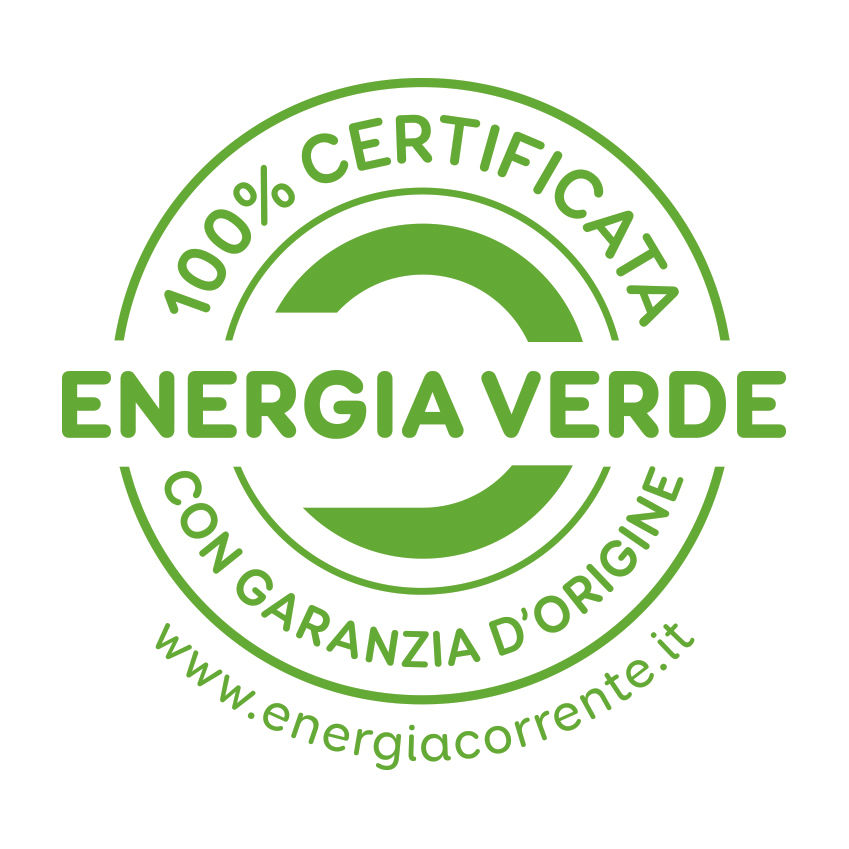
One of the most distinctive aspects of Rototype’s sustainability journey lies in its energy strategy. The company has taken concrete steps to ensure greater control and transparency over its energy sources, including:
The use of certified green energy
The adoption of carbon-neutral natural gas, achieved through carbon credit offsetting

This dual approach reflects a pragmatic and forward-looking mindset:
On one hand, increasing reliance on renewable energy sources
On the other, mitigating the environmental impact of necessary traditional energy through certified offset mechanisms
In today’s geopolitical and economic climate—where energy supply chains are increasingly volatile—having control over energy sourcing is no longer just an environmental concern. It is a matter of operational continuity, cost stability, and strategic independence.
Sustainability in a Global Context
The international dimension of Rototype’s business amplifies the importance of sustainability choices.
Financial institutions and global partners are under growing pressure to:
Reduce their carbon footprint
Ensure supply chain transparency
Comply with ESG regulations and reporting standards
By aligning its operations with these expectations, Rototype becomes not just a supplier, but a trusted partner in sustainable transformation.
Its commitment to renewable energy, certified emissions offsetting, and responsible sourcing contributes directly to the sustainability goals of its clients—creating a multiplier effect across the value chain.
From Compliance to Competitive Advantage
What distinguishes Rototype is the ability to transform sustainability from a compliance requirement into a strategic value proposition.
By integrating:
Certified management systems
Responsible energy sourcing
Transparent governance
Stakeholder engagement
the company builds a solid foundation for long-term growth and international credibility.
In a sector where reliability, security, and performance are critical, sustainability becomes an additional layer of assurance—reinforcing trust and strengthening relationships with clients and partners worldwide.
Conclusion: Building the Future of Financial Automation, Responsibly
As the financial industry continues its digital and operational transformation, the role of companies like Rototype is evolving. Automation alone is no longer enough.
What truly matters is the ability to deliver solutions that are:
Technologically advanced
Operationally reliable
Environmentally responsible
Ethically grounded
Through its certifications, ESG commitment, and strategic approach to energy management, Rototype demonstrates that innovation and sustainability can—and must—go hand in hand.
Because in today’s global economy, the real competitive advantage is not just what you build, but how you build it—and the responsibility you carry while doing so.


Comments